Quiet Currents, Wild Lives


Set out beside secluded highland streambanks to look for riparian wildlife that thrives where cold, clear water threads through heathered slopes and mossy roots. We’ll focus on the birds, mammals, amphibians, and invertebrates you can watch for, and how their hidden dramas animate every riffle, eddy, and shaded bend.

Where Hills Meet Water

Feathered Specialists of Fast Water

Birds reveal the stream’s heartbeat with sudden flashes, soft whistles, and arrowed dives. In highland reaches, species adapted to cold, swift water excel: dippers walking underwater against the current, kingfishers hovering like living javelins, and wagtails dancing across slippery stones. Watch perches, plunge pools, and shallow riffles, then listen carefully; the river’s voice is mirrored in every call and wingbeat you notice.
Few sights delight like a dipper bobbing on a midstream rock, blinking its pale eyelids before vanishing into the torrent. Whether American or European, these compact birds feed on aquatic larvae and build dome nests near tumbling water. Follow their cheerful trills along cascades, respect nesting distances in spring, and savor that improbable poise where spray and song mingle beneath green-shadowed cliffs.
A kingfisher often announces itself first—a dry rattle, then a comet of blue or slate streaking upriver. Scan for a clean branch above a pool, perfect for plunging at a darting minnow. Watch the bird pivot into the wind, hover taut, then spear downward with breathtaking precision. Give space along favored bends; patience will reward you with repeated, intimate views of expert hunting.

Quiet Footfalls: Mammals at the Edge

Dawn and dusk invite furtive travelers to the water’s hem. Otters slide through glassy pools, mink ghost along root shadows, and water shrews stitch bubbles into tiny comets under stones. Deer step softly to drink, while bats hawk insects above dim riffles. Look for signs as much as bodies, then let patience replace pursuit; your reward is presence rather than chase.

Otter Trails and Mink Shadows

Follow a shoreline and you may meet stories in prints: five-toed otter pads broad and sure, mink tracks smaller, darting from cover to cover. Spraints or scat on a prominent rock, rich with fishy scent, often mark territories. Slides worn smooth into muddy banks tell of play as much as travel. Stand still, watch the seam of current, and sometimes whiskers surface like a secret.

Small Lives in the Sedge

Water shrews jet beneath stones, buoyed by air-trapped fur, snatching caddis and mayfly nymphs with astonishing speed. Water voles—where present—clip sedges into tidy angled bites, leaving floating salad confetti near den holes. Their neat latrines, pellet piles on low stones, offer clear clues. Sit quietly above a sedge shelf; a ripple, then a tiny shadow, may rewrite your afternoon.

Night Watchers and Gentle Visitors

As light fades, deer edge from bracken to sip cautiously, ears cupped to every splash. Bats patrol the airspace, mapping insect swarms with voices we cannot hear. Foxes trace scent along drift lines, occasionally pausing to scan the breeze. Respect the dusk hush: keep lamps dim, footsteps light, and let your silhouette stay low. The river remembers kindness and answers with trust.

Scaled and Skinned Drifters of Twilight

Salamanders and Newts Beneath Stones

Under flattish rocks, stream-adapted salamanders and newts cling in gentle flows, sensitive to silt and warm spells. If you ever lift a stone, do so sparingly, with wet hands, and replace it exactly, preserving microcurrents that make this niche viable. Better yet, crouch and watch for gill fringes or a slow tail flick. Their survival depends on our restraint as much as our wonder.

Frogs, Toads, and the Choir After Rain

After a soaking rain, dusk can ring with soft trills and rhythmic pulses as frogs and toads advertise territories and hopes. Seek quiet backwaters, ephemeral pools near the stream, and grassy seeps where egg masses cling. Tadpoles graze algae while adults hunt insects along margins. Listen more than look; the music maps who lives here, revealing choristers hidden by sedge and shadow.

Snakes in the Sunlit Patch

On warm breaks between clouds, snakes may bask beside stones, warming muscles for efficient hunting along wet margins. Species vary widely by region, from gentle water-tolerant garter snakes to wary upland specialists. Watch from respectful distance, never blocking escape routes. If a snake lifts its head to track you, step back and angle away. Calm retreats make future encounters possible and safe.

Tiny Engines, Vast Web
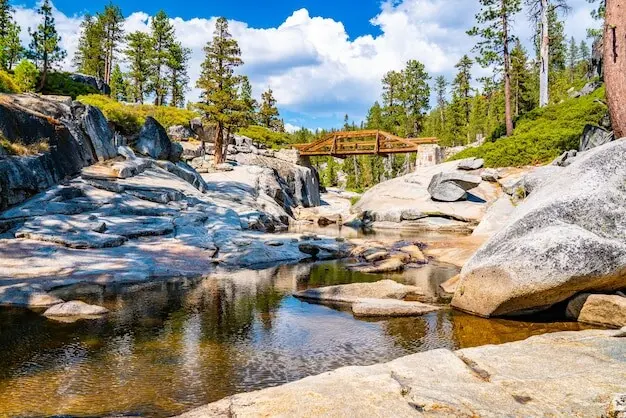
Beneath the surface, a hidden workforce powers everything visible along these streambanks. Aquatic insects, crustaceans, mollusks, and microscopic grazers break down leaves, filter water, and feed fish, birds, and mammals. Attend to small signs—shucks, cases, shells, and ripple geometry—and you’ll perceive the clockwork that keeps riparian life running clean, clear, and astonishingly precise through seasons and storms.

Fieldcraft, Care, and Shared Discovery
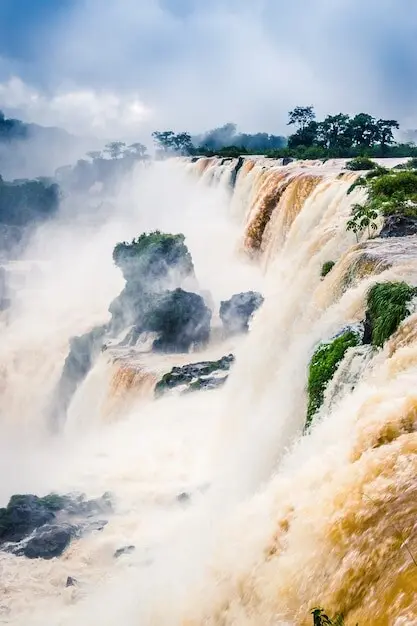
Exploring secluded highland streambanks asks for humility, calm steps, and generous curiosity. Move deliberately, minimize noise, and let your schedule match the river’s. Prepare for cold water, shifting stones, and sudden weather. Bring a small notebook, compact binoculars, and warm layers. Most of all, carry the intention to learn, protect, and share what you observe with kindness and accuracy.

Move Like Water, Watch Like a Heron

Adopt a sit-spot and return through seasons, noting how a shallow riffle becomes a stage for countless acts. Approach with wind at your face so scents drift forward, keep your silhouette low, and pause often. Scan edges, then center. Let time widen until the first nervous bird relaxes, and the bank writes its living story in patient lines you finally begin to read.

Safety, Maps, and Simple Tools

Cold currents numb quickly; wear sturdy footwear and consider a wading staff for balance. Check forecasts, carry a map or offline navigation, and tell someone your route. Pack light binoculars, a macro lens for insect detail, and spare socks. Watch for slick algae and unstable banks. Afterward, tick checks and warm tea help you end the day as strong as you began.

Give Back and Keep in Touch

Leave no trace by staying on durable surfaces, packing every scrap, and avoiding nests or dens. Join local watershed groups, contribute observations to community science platforms, and support restoration where you explore. Share your sightings, favorite moments, and questions in our comments, and subscribe for upcoming field notes, printable checklists, and seasonal alerts that deepen your next visit’s joy and understanding.
Nilorinozerazorisano
Privacy Overview

This website uses cookies so that we can provide you with the best user experience possible. Cookie information is stored in your browser and performs functions such as recognising you when you return to our website and helping our team to understand which sections of the website you find most interesting and useful.