Chasing Water and Stone in the Far Highlands

Today we dive into photographing waterfalls and gorges along remote Highland burns, bringing together fieldcraft, creative technique, and hard-won stories from rain-soaked ridgelines. Expect practical routes to safer vantage points, methods for taming spray and shifting light, and inspiration drawn from Gaelic landscapes where every ‘eas’ whispers history, weather, and wild energy.

Finding Hidden Cascades and Reaching Them Safely

Remote Highland burns often hide their most dramatic drops behind steep heather, slippery schist, and confusing forestry tracks. This guide turns vague lines on an Ordnance Survey map into a confident approach, balancing curiosity with caution, ensuring you arrive with energy, light, and options for multiple angles.

Overcast Poetry versus Golden Light

Uniform cloud acts like a vast diffuser, taming specular highlights and giving long exposures velvety transitions. Yet low winter sun can rim water with fire. Scout compositions for both, staying ready to pivot when gaps race across ridges and turn a quiet frame electric.

Working in Rain, Spray, and Wind

Pack an ultralight umbrella or clamp, stash dozens of microfiber squares, and rotate a 'clean, prepped, shoot' cycle to keep the front element spotless. Shield lenses between bursts, shoot slightly wide for cropping edge droplets, and welcome beaded highlights that suggest movement and storm-brewed drama.

Mist as Character, Not Obstacle

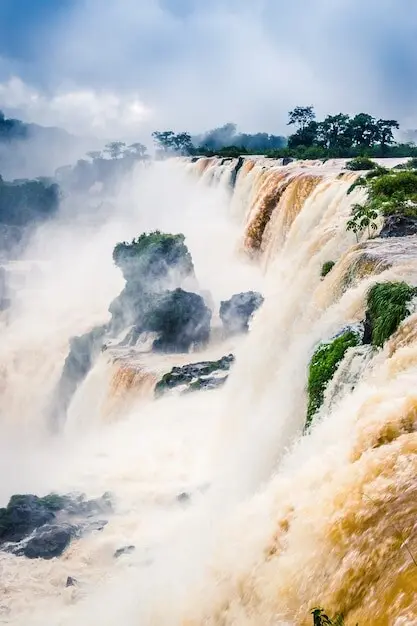
Treat mist like a stage light shaping depth. Backlight reveals suspended spray; sidelight carves texture into ravine walls. Watch flare angles, hood aggressively, and use fingers as flags. Embrace partial obscurity, letting the river appear and vanish so imagination completes the tumbling journey.

Tools Built for Gorges and Burns

From weather-sealed bodies to tripod spikes that bite schist, choose equipment that thrives where boots sink. A circular polarizer unlocks color beneath glare; neutral-density glass stretches time. Pack light but resilient, protecting sensors and spirits when the sky empties every bucket it carries.

Composing with Stone, Foam, and Air

Composition in gorges rewards patience and micro-movements. Shift a foot, and foreground boulders align; crouch lower, and foam scribbles become leading lines. Learn to frame power without clutter, balancing velocity with stillness, so every frame breathes the place rather than merely recording it.

Shutter, Exposure, and Living Color

Water carries character from rumbling muscle to silky drift depending on exposure time. Master histogram discipline, protect highlights, and bias toward detail in whites. Shape tonal contrast in post, but decide intention in the field, where rhythm, speed, and breath set the tempo.

Rights, Responsibilities, and Local Knowledge

Access rights include obligations: avoid disturbance, respect stalkers’ notices in deer season, and offer a wave to crofters. Bothy nights demand tidiness and modest fires. Check midges and river levels before setting out, and log your plan when signal fades beyond the last glen.

Fragile Moss, Patient Peat, and Clean Camps

Mossy ledges and peat banks heal slowly from boot cuts and tripod scars. Favor rock, distribute weight, and avoid short-cuts that braid paths. Pack out everything, including fruit peels and spent tissues, and strain graywater if camping near burns frequented by thirsty deer.

Invite Conversation, Share the Map

Post a frame that made you pause, and tell us why. Which shutter sang, which rock trembled, which route spared energy for one more bend upstream? Leave a comment, subscribe for field notes and GPX files, and trade insights that keep this craft generous.
Nilorinozerazorisano
Privacy Overview

This website uses cookies so that we can provide you with the best user experience possible. Cookie information is stored in your browser and performs functions such as recognising you when you return to our website and helping our team to understand which sections of the website you find most interesting and useful.